Get Indoor Air Quality Testing in San Leandro, CA
Indoor Air Quality Testing services for property owners in San Leandro, CA, address issues like mold, allergens, and pollutants through inspections, assessments, and recommendations by local professionals.
Indoor Air Quality Testing services are essential for property owners in San Leandro, CA seeking to ensure a safe and comfortable living or working environment. Regular testing helps identify pollutants, allergens, mold, and other airborne contaminants that can affect health and well-being. By pinpointing potential issues early, property owners can take targeted steps to improve indoor air conditions, leading to enhanced comfort and safety for occupants.
Engaging professional air quality testing also offers benefits related to the overall functionality and durability of a property. Reducing airborne pollutants can decrease the likelihood of mold growth and material deterioration, which in turn can lower maintenance needs and extend the lifespan of building components. Additionally, maintaining high indoor air quality can boost curb appeal by creating a healthier, more inviting space for residents, visitors, or clients.
- Indoor air quality testing services are recommended when residents notice persistent odors or unexplained allergies indoors.
- These services are useful for detecting airborne pollutants in homes near industrial areas or busy urban environments.
- Indoor air testing can help identify mold, allergens, or volatile organic compounds in residential spaces in San Leandro, CA, and surrounding communities.
- Testing may be needed after water damage or suspected contamination to ensure a healthy indoor environment.
- Professional indoor air quality assessments are advised for those experiencing respiratory issues or environmental concerns inside their buildings.

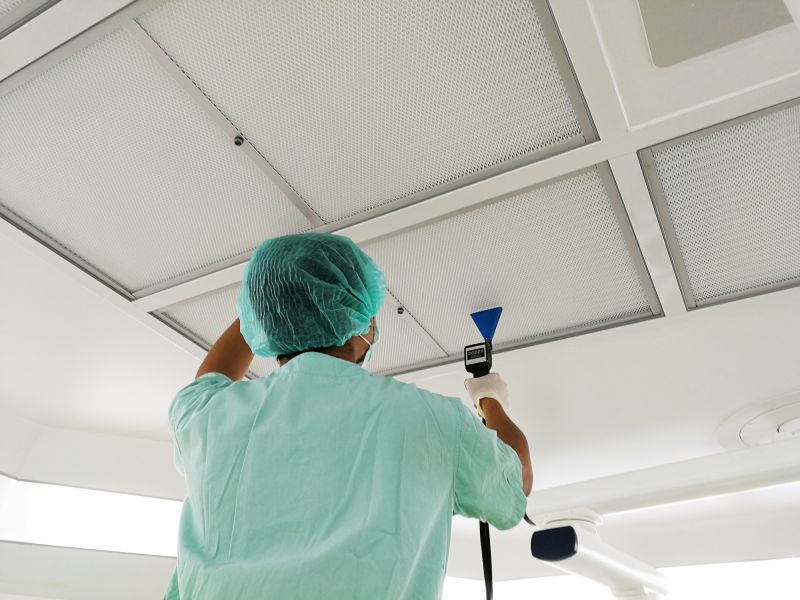

Indoor Air Quality Testing services involve assessing the levels of pollutants and contaminants present within a building’s interior environment. These tests typically measure airborne substances such as volatile organic compounds (VOCs), dust, mold spores, allergens, and particulate matter. The process may include collecting air samples, analyzing surface residues, and evaluating humidity levels to identify potential sources of indoor air pollution. The goal is to provide a clear understanding of the air quality conditions inside a property, helping homeowners and property managers pinpoint issues that could affect health and comfort.
The primary purpose of indoor air quality testing is to identify and address problems related to poor air conditions. Common issues include the presence of mold growth, high levels of dust or allergens, and chemical emissions from building materials or household products. These problems can contribute to respiratory issues, allergies, or other health concerns for occupants. Testing services help detect hidden sources of contamination that might not be visible or easily identifiable, enabling targeted solutions to improve air quality and create a healthier indoor environment.
Properties that typically utilize indoor air quality testing include residential homes, especially those experiencing unexplained health symptoms or persistent odors. Commercial buildings, such as offices, retail spaces, and healthcare facilities, also benefit from regular testing to ensure a safe environment for employees and visitors. Additionally, rental properties, schools, and multi-unit dwellings may seek testing services to maintain compliance with health standards and to address occupant complaints related to air quality. These tests are valuable tools for property owners and managers aiming to maintain safe and comfortable indoor spaces.
Indoor air quality testing services are conducted by local professionals who specialize in assessing indoor environments. These experts use specialized equipment and techniques to evaluate air samples and identify potential pollutants. The results can guide property owners in implementing effective remediation measures, such as cleaning, ventilation improvements, or mold removal. Contacting local service providers ensures access to tailored solutions for various property types, helping to create healthier indoor spaces and address specific air quality concerns efficiently.
The overview below groups typical Indoor Air Quality Testing projects into broad ranges so you can see how smaller, mid-sized, and larger jobs often compare in San Leandro, CA.
In many markets, a large share of routine jobs stays in the lower and middle ranges, while only a smaller percentage of projects moves into the highest bands when the work is more complex or site conditions are harder than average.
Initial Testing - The cost for basic indoor air quality testing typically ranges from $200 to $500, depending on the size of the space and the number of tests required. This includes sampling for common pollutants like dust, mold spores, and volatile organic compounds (VOCs). Prices may vary based on specific testing needs.
Comprehensive Assessments - A more detailed indoor air quality evaluation can cost between $500 and $1,200. These assessments often include multiple tests for allergens, mold, radon, and other potential contaminants, providing a thorough analysis of indoor air conditions.
Radon Testing - Radon testing services usually range from $150 to $300 for short-term tests, which involve placing a testing device in the home for a few days. Long-term radon testing, which offers more accurate results, can cost between $200 and $400.
Post-Testing Consultation - After testing, consultation services to interpret results and recommend solutions generally cost between $100 and $300. This fee covers reviewing lab results and discussing potential steps to improve indoor air quality.
Actual totals will depend on details like access to the work area, the scope of the project, and the materials selected, so use these as general starting points rather than exact figures.
Indoor Air Quality Testing services help identify pollutants and allergens within residential and commercial spaces. Local professionals conduct assessments to determine air quality levels and potential health risks.
Ventilation System Evaluation involves inspecting and testing ventilation systems to ensure proper airflow and removal of indoor contaminants. Service providers can recommend improvements based on testing results.
Mold and Mildew Testing detects the presence of mold spores and moisture issues that may impact indoor air quality. Contractors can provide solutions to address mold growth and improve air conditions.
Radon Testing measures radon levels in indoor environments, particularly in areas prone to higher concentrations. Specialists can advise on mitigation strategies if elevated radon levels are found.
Particulate Matter Analysis assesses airborne particles such as dust, pollen, and pet dander to evaluate indoor air cleanliness. Testing helps identify sources of particulate pollution.
Volatile Organic Compound (VOC) Testing detects emissions from household products, furnishings, and building materials. Professionals can suggest ways to reduce VOC levels for healthier indoor air.
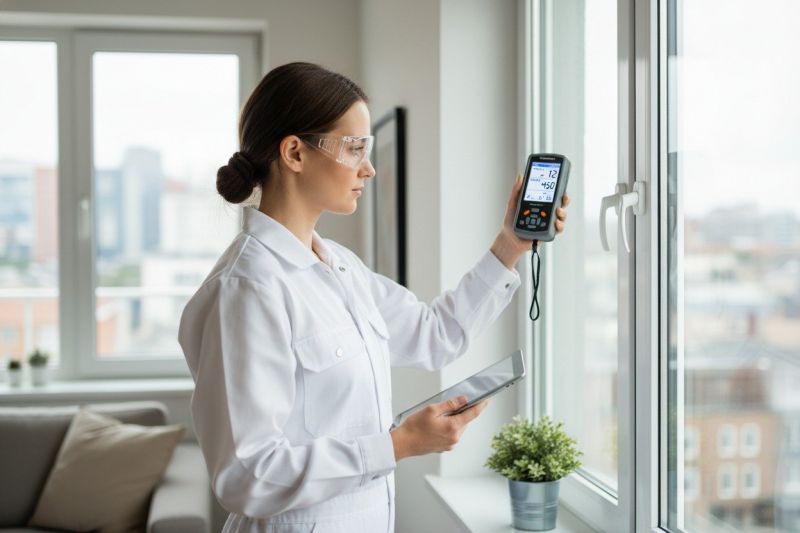
When choosing a provider for Indoor Air Quality Testing, it’s important to consider the experience and expertise of the local professionals. Reputable testing companies often have a history of conducting thorough assessments in residential settings, ensuring they understand the specific factors that can influence indoor air quality. Homeowners can benefit from reviewing the background of local service providers to determine how long they have been operating and their familiarity with common indoor air issues in the area, such as mold, allergens, or ventilation concerns.
Clear communication and written expectations are essential when engaging with a testing service. Reputable providers typically offer detailed explanations of their testing procedures, what homeowners can expect during the assessment, and how results will be delivered. Having this information in writing helps ensure transparency and allows homeowners to make informed decisions about subsequent steps. It’s also advisable to seek references or reviews from previous clients to gauge the reliability and professionalism of the local pros.
Since this platform introduces local options rather than performing the work directly, homeowners should focus on the reputation and communication style of each provider. Reliable service providers are often responsive to inquiries, provide comprehensive information, and have positive references from past clients. Comparing these aspects can help homeowners select a trusted local professional for Indoor Air Quality Testing services, ensuring a smooth and informed process from assessment to interpretation of results.
Property owners in San Leandro, CA use Indoor Air Quality Testing services for practical projects around their homes and businesses. The sections below highlight everyday jobs and straightforward project options.

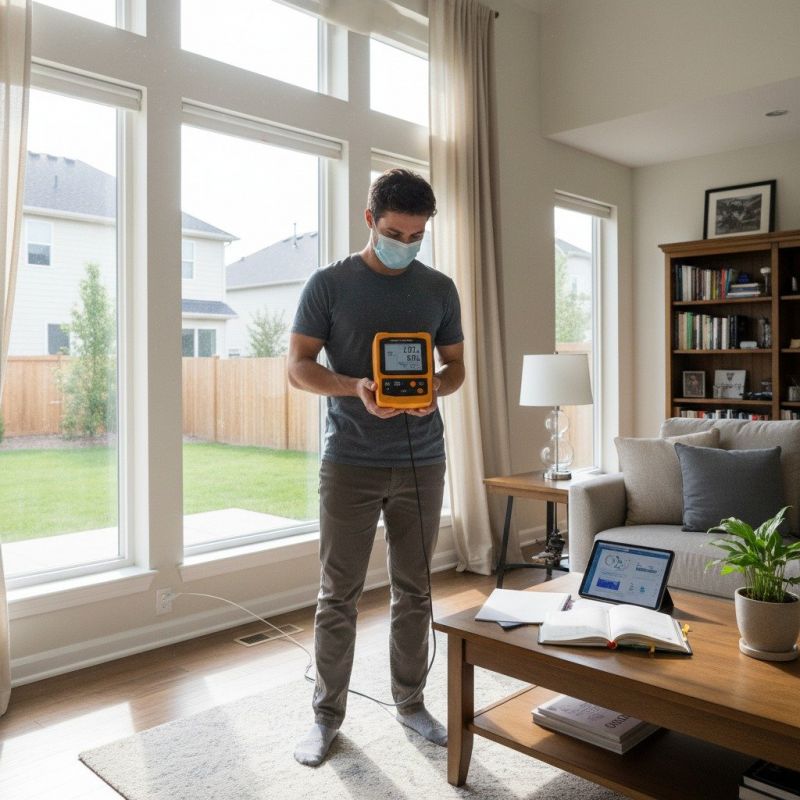
Indoor air quality testing services are often sought by property owners in San Leandro, CA who notice persistent odors, unexplained allergies, or respiratory issues within their homes or workplaces. These tests can help identify pollutants such as mold, dust, or airborne chemicals that may be affecting indoor environments. Homeowners and business owners might look for professional testing to ensure their indoor spaces are safe and comfortable, especially if they have experienced recent renovations, water damage, or suspect the presence of mold.
Property owners in the area may also consider indoor air quality testing when planning to improve ventilation or after noticing signs of indoor pollutants. Regular testing can provide peace of mind by revealing potential air quality concerns before they develop into more serious health or structural issues. Connecting with local service providers can help identify specific sources of indoor air problems and determine appropriate solutions to maintain a healthy indoor environment.
What is indoor air quality testing? Indoor air quality testing involves assessing the levels of pollutants and allergens in a building's air to identify potential health risks.
Why should I consider indoor air quality testing? Testing can help detect issues like mold, dust, or chemical contaminants that may affect health and comfort inside a home or business.
How is indoor air quality testing performed? Licensed professionals typically use specialized equipment to collect air samples, which are then analyzed to determine pollutant levels.
What pollutants can indoor air quality tests identify? Tests can detect mold spores, volatile organic compounds (VOCs), dust particles, allergens, and other airborne contaminants.
How often should indoor air quality testing be done? The frequency depends on factors like recent renovations, visible mold, or health concerns, but consulting a local expert can provide personalized recommendations.
Indoor Air Quality Testing Services - Professionals can assess indoor air quality to identify pollutants and allergens that may affect health.
Air Quality Assessment - Local specialists use advanced testing methods to evaluate pollutant levels and recommend appropriate solutions.
Mold and Allergens Testing - Testing services can detect mold spores, dust, and other allergens that contribute to poor indoor air quality.
Comprehensive Air Evaluation - Experts provide detailed reports on indoor air conditions to help inform necessary improvements and air purification options.
Considering Indoor Air Quality Testing for a property in San Leandro, CA? The sections above highlight common project types, practical options, and details that often shape the scope of work.
When you are ready, use the quote form to share a few details about your project. Local pros can review the basics and respond with options that match what you have in mind.